
AI Agents Aren’t “the Future.” They Already Do the Work.
There’s a lot of talk about AI agents as something that’s coming.
That framing is outdated.
AI agents aren’t theoretical. They’re not pilots. They’re not demos sitting in a lab.
They’re already running real workflows in production—quietly doing the work teams used to scramble through manually.
We’ve seen this shift firsthand.
Most AI conversations stall at strategy:
- “What could we automate?”
- “What might be possible?”
- “What’s coming next year?”
But value doesn’t come from ideas.
It comes from agents embedded inside real operations.
One clear example is the Marathon Agent we built for a large event support workflow.
A Real Agent, In Production
Large marathon events face the same problems every year:
- Participants lose race kits
- Identity verification slows everything down
- Thousands of repetitive questions flood support teams
- Timelines are compressed and pressure is high
Instead of scaling temporary staff and hoping nothing breaks, we built an AI agent to handle the work directly.
The Marathon Agent automated roughly 90% of participant support, including:
- Lost race kit requests
- ID checks and verification
- Common participant FAQs
It was:
- Built in days
- Deployed directly into production
- Integrated into the existing event workflow
No chaos.
Just clarity.
The support load dropped, response times improved, and human staff could focus on the small percentage of edge cases that actually needed judgment.
And once leaders see that, the conversation changes.
Because this isn’t about building one agent.
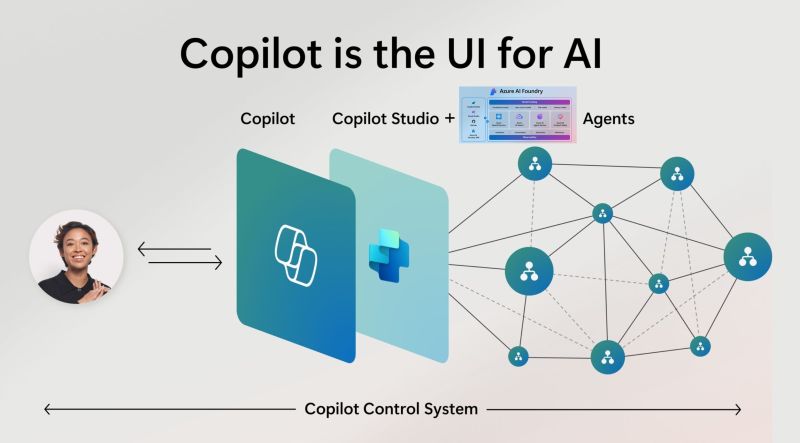
Eventually, organizations don’t have an agent.
They have a team.
- A support agent
- An intake agent
- A document agent
- An operations agent
- A finance or reporting agent
Each one focused.
Each one specialized.
Each one quietly removing friction from the business.
The Executive Shift That Matters
The biggest mindset change for executives is this:
Stop thinking about AI as software.
Start thinking about it as digital labor.
You wouldn’t ask one employee to do every job.
You build teams.
AI agents follow the same rule.
And the companies moving fastest aren’t waiting for the “future.”
They’re deploying agents now, one workflow at a time, and letting the impact compound.